How to Choose Modern Roof Lantern Designs
Modern Roof Lanterns: Design Solutions for Modern Living Spaces
Modern roof lanterns are progressively becoming crucial components in modern design. They not only enhance aesthetic appeal but also enhance practicality by boosting natural illumination. With different designs available, these components can seamlessly integrate into multiple architectural approaches. Their impact on atmosphere and spatial awareness cannot be understated. As homeowners consider these decorative choices, several key considerations emerge that can shape both preference and location. What are the most effective ways to add these bold features?
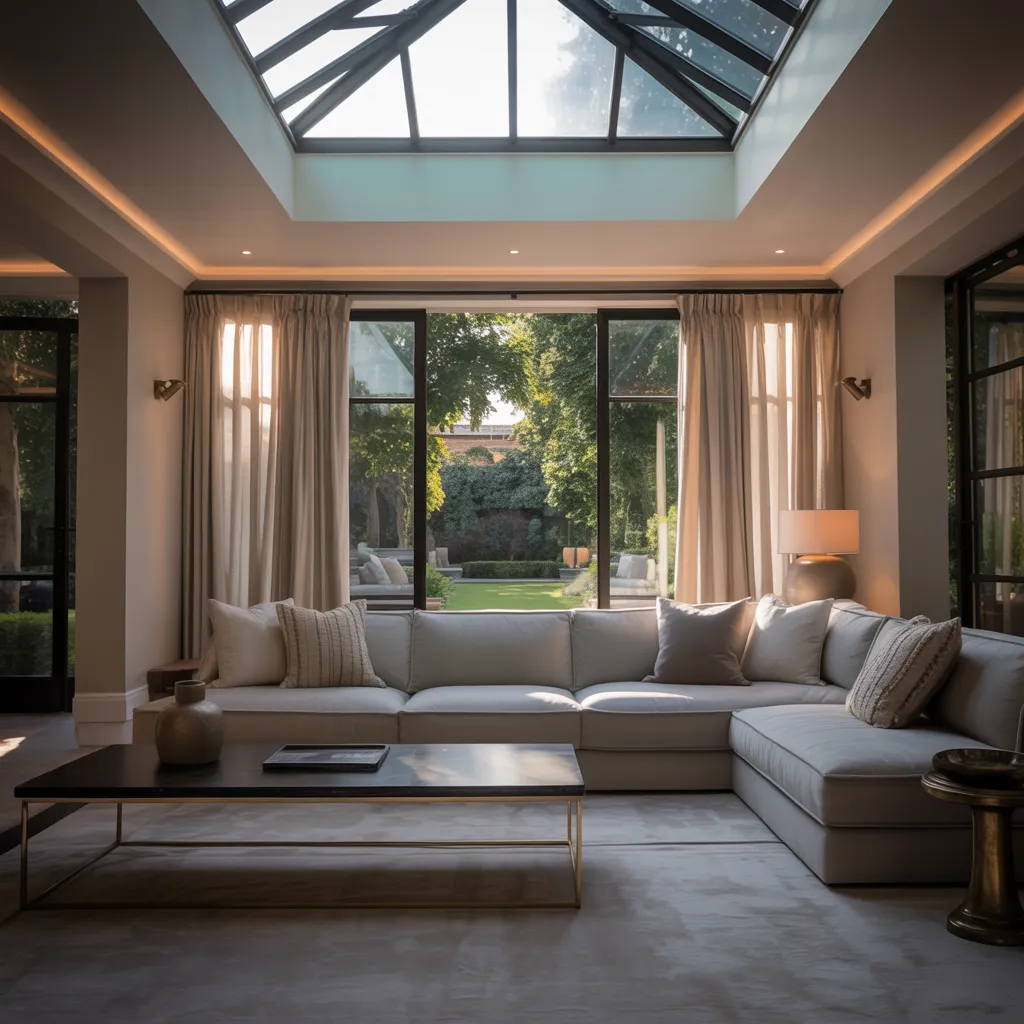
The Benefits of Roof Lanterns for Modern Homes
Roof lanterns offer numerous advantages for modern homes, improving both visual appeal and functionality. These design elements act as impressive focal points, adding character to any room. With their elegant, contemporary designs, roof lanterns can enhance different styles, from minimalist to industrial. Additionally, they establish a sense of openness, causing spaces to appear more spacious and more inviting.
In addition, roof lanterns promote improved ventilation, helping to control indoor climate and minimize dependence on mechanical cooling systems. Their flexibility allows for placement in diverse settings, including kitchens, living rooms, and extensions, maximizing usable space. The use of high-quality materials ensures longevity and weather resistance, making them a long-lasting purchase. Importantly, roof lanterns can enhance a home's value, attracting to potential buyers with their contemporary appeal and practical benefits. Overall, these features create a harmonious blend of beauty and utility in modern living environments.
Roof Lanterns: Letting in Natural Light
Roof lanterns work as a impressive architectural detail that greatly enhances sunlight intake in properties. Their deliberate arrangement permits an abundance of natural light to flood interior spaces, producing a bright and inviting atmosphere. Additionally, the design beauty of roof lanterns elevates the overall style, making them a favored option for modern architecture.
Maximized Daylight Interaction
When natural light fills a space, it transforms the atmosphere, forming a vibrant and inviting environment. Roof lanterns serve as a powerful architectural feature, improving daylight exposure in modern living spaces. Positioned thoughtfully, they capture sunlight from several angles, maximizing illumination throughout the day. This inflow of natural light not only decreases the reliance on artificial lighting but also supports improved mood and well-being. The expansive glass surfaces of roof lanterns enable light to enter deep into the interior, lighting up even the darkest corners. Additionally, the variable play of sunlight and shadows throughout the day introduces a sense of depth and movement, enriching the overall experience of the space. Ultimately, roof lanterns are an effective solution for enhancing daylight exposure.
Enhanced Cosmetic Attractiveness
How do roof lanterns elevate the aesthetic appeal of a space? These architectural elements serve as prominent focal points, seamlessly blending practicality with refinement. By introducing plentiful natural light, they create a sense of airiness and freshness, transforming even the most small areas into inviting havens. The unique geometric designs often associated with roof lanterns add a contemporary flair, enhancing the overall interior decor. Additionally, their ability to reflect light can accentuate colors and textures within the room, contributing to a balanced visual experience. As a result, roof lanterns not only illuminate but also enrich the atmosphere, making them a valuable addition to modern living spaces. Their presence is a symbol of sophistication and style, drawing in discerning homeowners.
Positioning Suggestions for Influence
The placement of roof lanterns can greatly enhance the atmosphere of a space. Positioning a lantern as a focal point above a dining area not only directs attention but also creates an inviting atmosphere. Additionally, carefully positioning one in a living room can maximize natural light, converting the environment into a bright and airy retreat.
Focal Centerpiece Above Dining Area
A eye-catching roof lantern can transform a dining area, acting connected information as both a practical light source and a prominent focal point. When situated directly above the dining table, it attracts eyes and enhances the overall look of the space. The size and design of the lantern should align with the room's proportions; larger units can create a bold effect in open areas, while smaller models provide an inviting ambiance in cozier settings. Additionally, the height at which the lantern hangs is important; it should be low enough to provide warmth without blocking views. Incorporating matching decor, such as coordinated pendant lights or wall art, can further tie together the design, making sure the lantern becomes a cohesive element within the room.
Daylight Inside Family Room
Transforming a living room through increased daylight can dramatically change the space, generating a luminous and welcoming setting. Deliberately placing roof lanterns can enhance this effect by suffusing the area with natural rays. Optimal spots involve above central seating arrangements, where light can distribute evenly, or adjacent to large windows to supplement existing daylight. Installing lanterns in corner spaces can likewise foster a sense of airiness, guiding the eye higher and making the room appear more spacious. In addition, utilizing mirror finishes, like mirrors, can magnify the natural light, enhancing the overall brightness. Picking designs that work with the room's aesthetic will additionally boost the aesthetic quality, making sure the space continues to be both functional and visually appealing.
What's the Right Way to Determine Your Roof Lantern Style for Your Space?
When picking the perfect roof lantern design for a specific space, several factors must be taken into account to guarantee consistency with the overall design. First, the architectural character of the building plays a significant role; a traditional home may benefit from a classic lantern style, while a modern structure might suit a sleek, minimalist style.

Finally, the dimensions of the space is paramount; larger areas can support grander lanterns, while smaller rooms may need restrained designs to avoid saturating the space. Additionally, the function of the room should influence the choice; to illustrate, a kitchen might favor a practical design, while a living area could incorporate visual embellishments.
Ultimately, tone and composition should match existing visual style, confirming the lantern improves rather than detracts from the overall mood. By carefully evaluating these components, one can select a roof lantern that transforms the space effectively.
Integrating Roof Lanterns With Interior Design Elements
Moreover, the choice of materials and finishes for the lantern can harmonize with existing interior elements, such as wood beams, metal fixtures, or color palettes. Adding adjustable blinds or shades can improve versatility, enabling for control of light that aligns with the room's mood.
Also, thoughtful fusion with decorative plants or artwork can create focal points that lead the eye upward, emphasizing height and space. Ultimately, effectively planned groupings of roof lanterns and design components can transform a room into a cohesive and luminous sanctuary.
Maintenance Tips for Roof Lantern Longevity
Blending ceiling lights with interior design generates a stunning aesthetic, but to maintain their aesthetic appeal and functionality over time, regular upkeep is needed. Routine cleaning is important; using a soft cloth alongside a mild detergent will avoid dirt and grime from accumulating on the glass surfaces. In addition, assessing the seals and frames periodically helps detect any signs of aging or deterioration, ensuring that leaks do not form.
It is also advisable to examine the drainage system to prevent water pooling, which could lead to structural damage. If the lantern includes any electrical components, regular checks for wiring integrity and functionality are vital for safety. Finally, applying a protective layer can enhance the durability of the frames against weathering. By following these maintenance tips, homeowners can make sure that their roof lanterns remain a impressive focal point for years to come.
Frequently Requested Questions
What Substances Are Generally Employed for Roof Lantern Assembly?
Roof lantern building typically employs aluminum, timber, and uPVC for frames, while glass, particularly dual or triple-glazed options, is frequently used for the glazing, ensuring longevity, insulation, and aesthetic appeal in modern designs.
Can Ceiling Lights Be Placed in Already Built Residences?
Yes, roof skylights can be incorporated in existing homes. However, meticulous planning is essential, as load-bearing capacity, adequate ventilation, and aesthetic compatibility must be examined to ensure a successful integration with the current design and architecture.
Do Roof Lanterns Offer Energy-Efficient Solutions?
Roof lanterns serve as energy-efficient alternatives, notably when fabricated with high-performance glazing and appropriate insulation. They enhance daylight, reducing dependence on artificial lighting, which could produce reduced energy expenditure in living areas.
How Do Roof Lanterns Influence Home Insurance Premiums?
Roof lanterns might affect home insurance premiums by potentially boosting property value and risk determinations. Insurers may consider aspects like installation quality and materials chosen, impacting overall coverage costs and rates for homeowners.
What Is the Average Expense of Setting up a Roof Lantern?
The typical price of putting in a roof lantern generally falls from £1,500 to £3,500, based on size, materials, and complexity of installation. Homeowners should take into account extra costs for structural adjustments and professional installation work.